Exhibits
Logging and the Timber Industry
For more than a century, timber has shaped the landscape and identity of Pacific County. From early settlement through decades of growth and change, logging and milling connected coastal communities to the forests that sustained them. This exhibit explores that enduring relationship, tracing how timber work influenced local culture, economy, and environment.
Through photographs, tools, and stories from those who lived it, the display reflects on the labor, innovation, and perseverance behind the timber industry. It honors the people whose efforts—often dangerous and demanding—built the foundations of daily life and community in western Washington.
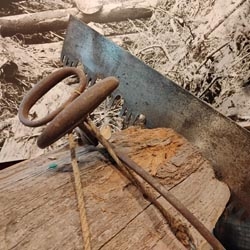
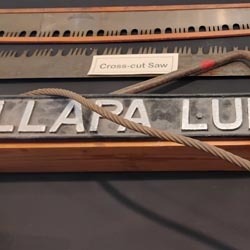
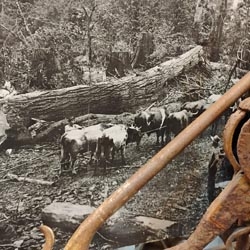
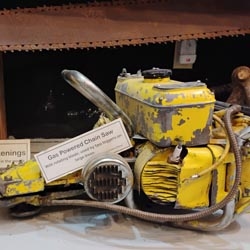
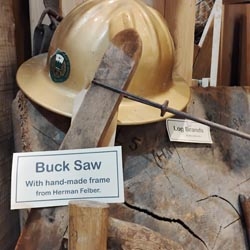
Today, the story continues in new forms. Shifts toward sustainable forestry and conservation invite reflection on how past choices shape present landscapes and future possibilities. The legacy of timber in Pacific County remains one of resilience, adaptation, and connection between people and the land.
The Chinook People
For countless generations, the Chinook people have lived along the lower Columbia River and the Pacific coast, where river, forest, and sea come together. Their homelands stretch across what is now Pacific County, forming a vital center of trade, language, and culture long before European arrival. This exhibit highlights the depth and continuity of Chinook presence in the region—communities rooted in waterways, resourcefulness, and shared knowledge passed from one generation to the next.
Through oral tradition, art, and encounter, the Chinook story reflects adaptability and strength. Visitors are invited to consider how fishing, carving, trade, and ceremony shaped both daily life and enduring identity, and how the resilience of Chinook families continues despite displacement and political struggle. The voices and histories presented here speak to a living culture that endures, not a past confined to memory.
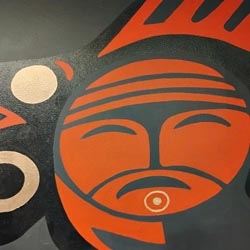
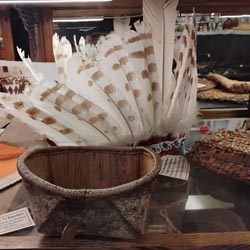
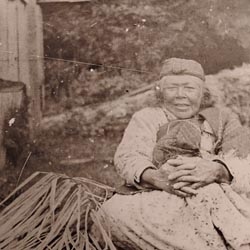
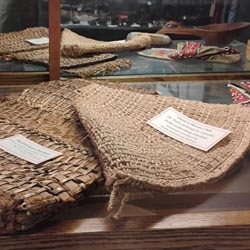
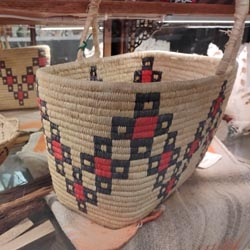
Today, the Chinook people continue their work to sustain community, language, and recognition on the lands and waters that have always been home. This story is one of continuity—of a people whose connection to place remains vital, and whose heritage continues to shape the cultural landscape of Pacific County and the wider region.
You can learn about the effort to restore federal recognition of the Chinook people at the Chinook Nation website.
Oysters, Canning, and Fishing
Along the rivers and coastlines of Pacific County, fishing and canning once defined the rhythm of daily life. From the early salmon runs of the Columbia River to the shellfish harvests of Willapa Bay, these waters nourished communities and sustained a thriving regional economy. This exhibit traces how generations of fishers, cannery workers, and families built livelihoods around the abundance of the sea and the skill to preserve its harvests.
Through archival images, tools, and firsthand accounts, the display highlights the labor that powered canneries, boats, and docks across the region. It recalls the diverse workforce—families, immigrants, and Indigenous fishers—who together shaped a vibrant maritime culture. Their stories reveal both the promise and the hardship of industries tied so closely to the forces of nature and the tides of economic change.
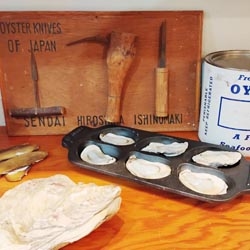
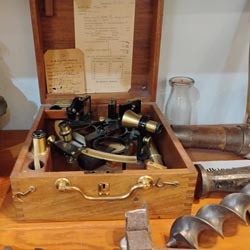
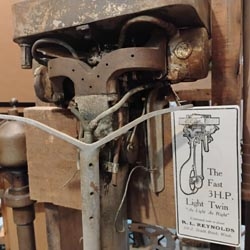
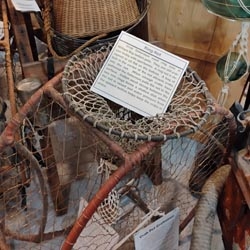
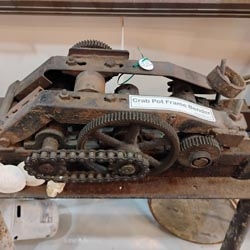
Even as methods and markets evolved, fishing remains a vital thread in Pacific County's identity. The exhibit invites reflection on how local communities continue to balance tradition, technology, and stewardship, ensuring that the waters that once built their world remain a source of life and livelihood for generations to come.